In PCR, qPCR, and other microplate-based workflows, small inconsistencies can have a significant impact on results. One of the most common and often overlooked sources of variability is how plates are sealed.
Evaporation, cross-contamination, and seal failure during storage or thermal cycling can all compromise sample integrity. As assays become more sensitive and sample volumes decrease, these issues become more pronounced.
For many laboratories, improving sealing methods has become a practical way to enhance reproducibility without introducing major workflow changes.
Why Sealing Failures Occur
Microplate sealing challenges typically fall into a few key categories.
Evaporation During Thermal Cycling
In PCR and qPCR workflows, repeated heating cycles can cause sample loss if the seal is not uniform. Even minor evaporation can alter concentrations and affect amplification efficiency.
Cross-Contamination Risks
Inadequate sealing can allow movement between wells, particularly during handling or transport. This is especially critical in molecular diagnostics and high-throughput screening environments.
Cold Storage Limitations
At temperatures such as −20°C or −80°C, some sealing films lose flexibility or adhesion. This can result in lifted seals or difficulty accessing samples after storage.
Workflow Inefficiencies
Inconsistent sealing, difficulty removing films, or incompatibility with equipment can slow down processing particularly in high-throughput laboratories.
Why Heat Seal Films Are Increasingly Used
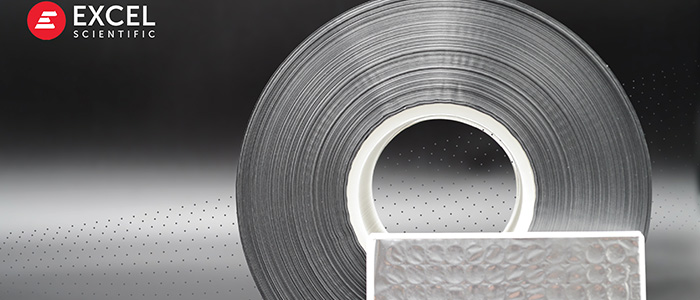
Heat seal films are designed to create a uniform bond between the film and the microplate using controlled temperature and pressure.
Compared to adhesive seals, heat sealing can provide:
- More consistent sealing across wells
- Reduced risk of evaporation and contamination
- Improved performance during thermal cycling and cold storage
- Compatibility with automated and high-throughput workflows
These characteristics make heat sealing a common choice in applications where reproducibility and sample protection are priorities.
Key Factors When Selecting a Heat Seal Film
Not all heat seal films perform equally, and selection often depends on the specific application and workflow.
Contamination Control
For molecular biology applications, materials certified free of DNase, RNase, and human DNA can help reduce the risk of introducing contaminants.
Temperature Performance
A suitable film should maintain seal integrity during both high-temperature cycling and low-temperature storage, while still allowing access to samples after these conditions.
Seal Strength vs. Peelability
A common trade-off exists between strong sealing and ease of removal. Films that balance these attributes can help improve both performance and usability.
Transparency for Monitoring
Clear films allow users to visually inspect wells without removing the seal, helping to identify bubbles or inconsistencies while minimizing handling.
Chemical Compatibility
Resistance to a range of reagents enables use across multiple assay types without compromising performance.
Heat seals are the best possible choice for chemical resistance in a sealing film. If you are working harsh solvents or reagents you want a heat seal over an adhesive seal ideally.
Scalability and Throughput
For high-throughput environments, consistency, cost per plate, and format (such as roll-based systems) are important considerations.
Applications Where Heat Seal Films Add Value
Heat seal films are used across a wide range of laboratory settings:
- Academic and research laboratories conducting PCR, qPCR, and cell-based assays
- Clinical and diagnostic labs requiring contamination control and reproducibility
- Biopharma and biotechnology companies running high-throughput screening workflows
- Contract research organizations (CROs) managing diverse assay requirements
- Environmental, agricultural, and food testing labs performing DNA/RNA-based analysis
Applying These Considerations in Practice
Heat seal films such as AdvanceSeal™ 1000, AdvanceSeal™ 2000 and AdvanceSeal™ 3000 are designed to address many of the challenges associated with microplate sealing.
These types of films are typically used in workflows that require:
- Consistent sealing across plates
- Performance under both thermal cycling and cold storage conditions
- Materials suitable for molecular biology applications
- Compatibility with standard heat-sealing equipment
An important design consideration in these products is achieving a balance between maintaining seal integrity and allowing practical access to samples, particularly after storage.
Improving Workflow Reliability Through Sealing
For laboratories experiencing issues with evaporation, contamination, or inconsistent results, evaluating sealing methods can be a practical step toward improvement.
Key questions to consider include:
- Is evaporation affecting assay performance?
- Are seals maintaining integrity during thermal cycling?
- Can samples be accessed easily after storage?
- Is sealing contributing to workflow variability?
Addressing these questions can help identify whether a change in sealing approach may improve overall workflow reliability.
Conclusion
Although often considered a routine step, microplate sealing plays a critical role in maintaining sample integrity and ensuring reliable results. As laboratory workflows continue to evolve, selecting the appropriate sealing method becomes increasingly important.
Heat seal films provide a consistent and reliable approach to addressing common challenges such as evaporation, contamination, and temperature related failures. By understanding the factors that influence performance, laboratories can make more informed decisions and support more reproducible outcomes.